Exhibition Stand Logistics & Trade Show Transportation
Exhibition freight has to reach the right receiving point within a fixed event window. Standsbay provides exhibition stand logistics and trade show transportation for exhibitors moving packed exhibition assets to venues, approved receiving facilities and other agreed destinations.
We coordinate each movement around the collection point, shipment size, receiving instructions, event dates and required arrival time. Before the freight leaves, your team should know where it is going, when it needs to be there and what is expected after the exhibition. That clarity helps reduce avoidable delays once the shipment is already in transit.
14+
Years of Experience
1,400+
Projects
16
Countries
We Plan Your Exhibit Shipment Around Venue Receiving Dates
Exhibition freight has to follow the receiving dates, access rules and delivery instructions set for the event. We review the venue, collection point, shipment details and required arrival window so the transport plan is built around the actual exhibition schedule.
We also confirm whether the freight should go to an approved receiving facility, directly to the venue or another specified destination. This helps establish the correct collection timing before dispatch and reduces the risk of the shipment arriving outside the accepted window.
Where wider approvals, suppliers or project deadlines need separate coordination, these can be managed through our trade show project management service, while this page remains focused on exhibition freight movement and delivery timing.
Advance Warehouse or Direct-to-Show Delivery
Many exhibitions provide more than one route for incoming freight. Some accept shipments at an advance warehouse before the main move-in period, while others require direct-to-show delivery during a defined venue receiving window. The right option depends on the instructions issued for the event and when the shipment will be ready. An advance warehouse can provide an earlier receiving period where that option is available. Direct-to-show delivery usually requires the carrier to arrive during the live venue window stated by the organiser.
Before dispatch, we check the relevant receiving address, permitted dates, shipment references and any delivery instructions supplied by the organiser or official contractor. A load can reach the correct city and still encounter delays if it is sent to the wrong receiving point or arrives outside the accepted window. For the exhibitor, successful delivery means more than getting the freight close to the venue. It needs to reach the receiving point recognised by the event within the time period the event allows.
Shipment Details We Check Before Dispatch
Accurate shipment information is essential before exhibition freight is dispatched. We review what is being transported, how it is packed, where it needs to be collected and the receiving requirements for the exhibition so the transportation plan is based on confirmed details rather than assumptions.
We also check whether the shipment information matches the destination requirements, including the receiving address, arrival window, event references and any instructions supplied for delivery. Packing format matters as well because a single flight case, several timber crates and a palletised load can require different collection and freight arrangements.
If reusable exhibition assets are being released before the event, they can be prepared separately through our trade show exhibit storage service before entering the transportation stage. Where some dimensions, weights or receiving details are still pending, we identify what must be confirmed before the trade show freight is booked.
- Number of Crates, Cases or Pallets
- Dimensions and Weight of Freight Pieces
- Collection Address
- Exhibition Name and Venue
- Confirmed Receiving Address
- Required Arrival Date or Delivery Window
- Shipping Labels and Event References
- Post-Show Freight Destination
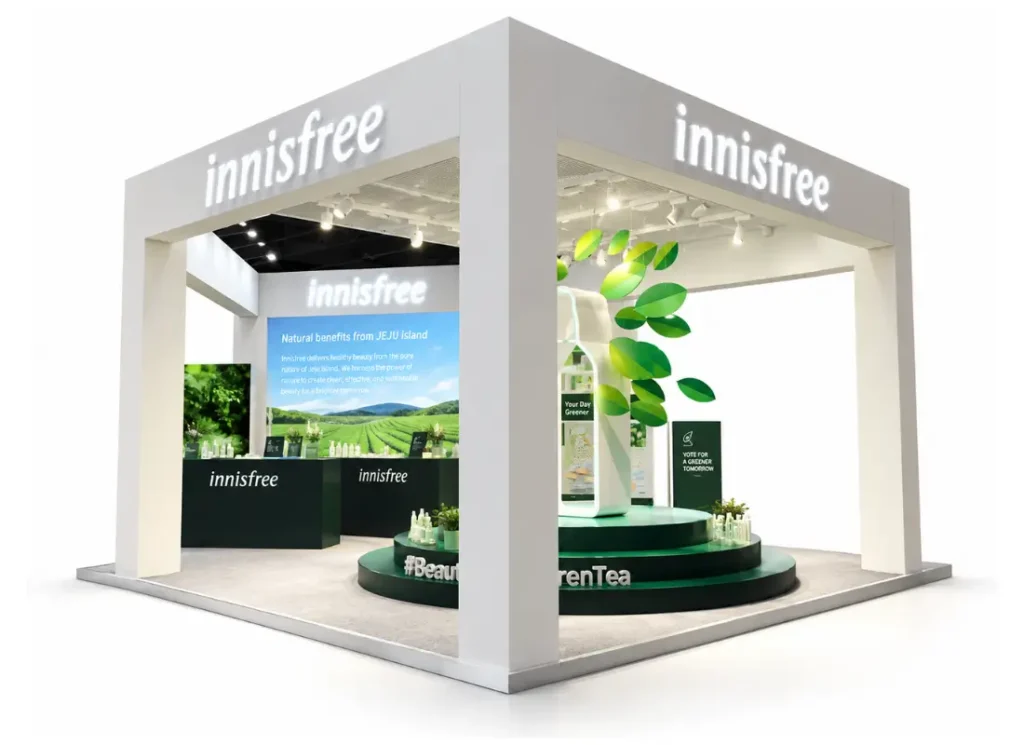
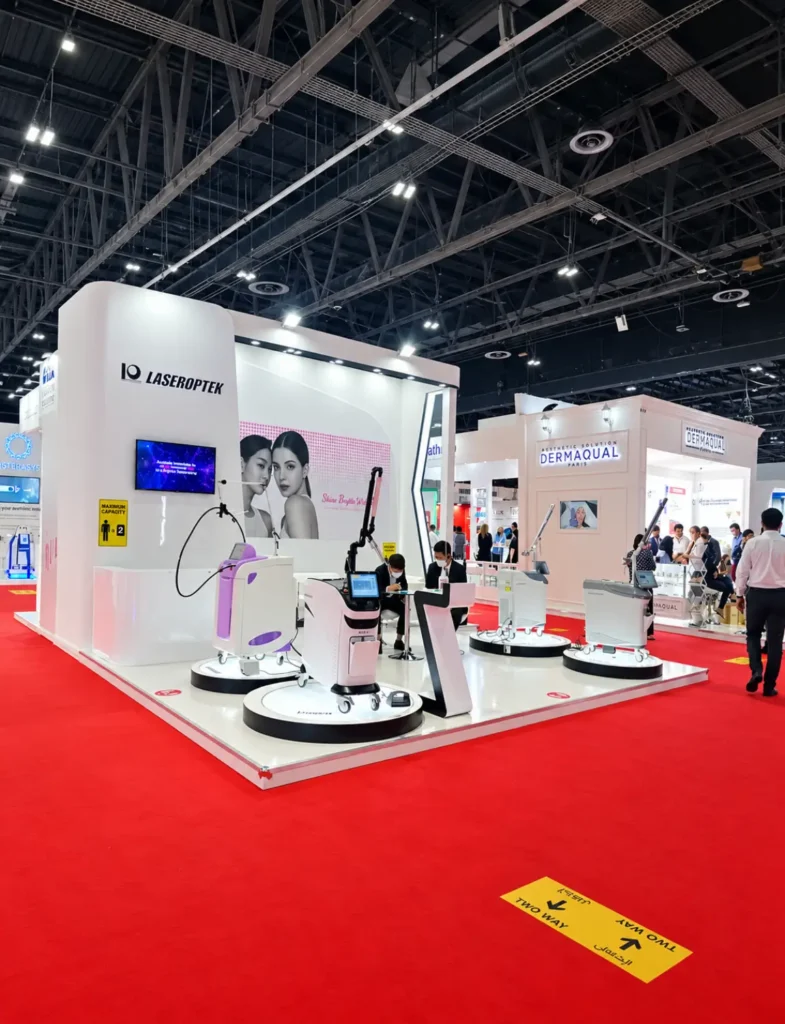
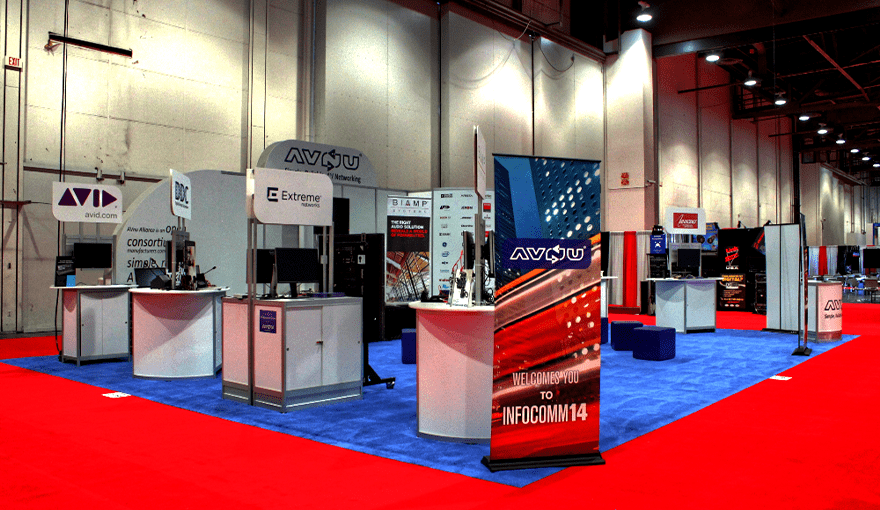
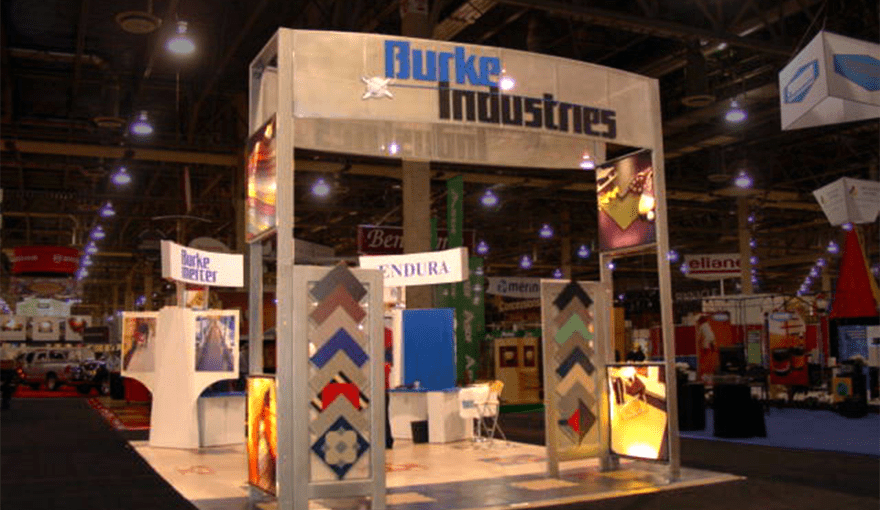
Exhibition Stand Logistics & Transportation Projects
We Coordinate Freight Arrival With the Venue Receiving Window
Reaching the venue area is only part of exhibition logistics. The carrier still needs to arrive in line with the receiving conditions set for that particular show. We review the target arrival period, delivery instructions and shipment references required at the destination. Where the organiser, venue or official contractor controls part of the receiving process, the freight plan has to work with those rules.
Freight transportation and movement inside the venue are not always handled by the same company. At some exhibitions, show-site material handling is controlled by the organiser or its appointed contractor. That may include moving freight from the loading area into the hall after the carrier has reached the designated receiving point.
We keep that boundary clear. Our logistics scope covers the agreed transportation and freight-arrival coordination. Where Standsbay is also responsible for physical work on the show floor, that stage is handled separately through our trade show installation and dismantle service. Clear scope gives exhibitors a better understanding of who is responsible for each stage before venue move-in begins.
Return Freight Is Planned Before the Exhibition Closes
Outbound movement should be considered before the final day of the show. Once the exhibition closes, packed assets may need to move to a client facility, another event, an agreed storage location or another confirmed destination.
Before that point, we establish what is expected to move, where it should go next and when it is likely to be available for collection or release. This gives the return freight stage a defined destination instead of leaving those decisions until the hall is already clearing.
Physical dismantling and transportation are separate activities. Once the relevant items are packed and ready for release, the logistics stage focuses on the onward movement of the shipment.
Early outbound planning is particularly useful when the same assets are expected at another exhibition soon afterwards. The time between events, the receiving dates at the next destination and the expected release time from the current show all need to work together before onward freight is confirmed.
Shipment Information We Need Before Freight Is Booked
To start reviewing your trade show transportation and logistics requirement, send us the core event and shipment information available at that stage.
We normally need:
- Exhibition name and venue
- Event dates
- Collection location
- Number and type of freight pieces
- Approximate dimensions and weights
- Packing format
- Required delivery date
- Receiving instructions already issued
- Expected post-show destination, if known
If the organiser has provided an advance warehouse address, direct-to-show window, shipping labels or other freight references, include those as well. Not every detail has to be final at the first conversation. We can identify which information is essential before booking and which items can remain open for longer.
Coordinating Exhibition Freight Across International Destinations
Standsbay supports exhibition freight requirements across international markets, with each movement planned around the actual shipment, receiving instructions, event dates and destination involved. Venue procedures can differ from one exhibition to another, so we work from the requirements issued for the specific show rather than assuming the same process applies everywhere.
Exhibition Stand Logistics FAQs
What information do you need to arrange exhibition transportation?
We normally need the exhibition and venue details, collection point, number of freight pieces, approximate dimensions and weights where available, required arrival date and the receiving instructions issued for the event. If the post-show destination is already known, sharing it early also helps with outbound planning.

What is the difference between an advance warehouse and direct-to-show delivery?
An advance warehouse receives exhibition freight before the venue’s main move-in period where that option is offered by the event. Direct-to-show delivery means the carrier arrives at the venue during the specified receiving window. The appropriate route depends on the organiser’s instructions, shipment readiness and event schedule.
What is the difference between freight transportation and drayage?
Freight transportation moves the shipment to the agreed exhibition receiving point. Drayage or show-site material handling may cover movement from the receiving area or loading dock into the exhibition space. At some events, that stage is controlled by the organiser or official contractor rather than the freight carrier.
When should trade show freight be arranged?
There is no single lead time that applies to every exhibition. Timing depends on the shipment origin, distance, packing format, required receiving date and the event’s delivery rules. The freight should be reviewed early enough to allow a practical route to the required receiving window.
Can you coordinate return freight after the exhibition?
Yes, where return movement forms part of the agreed logistics scope. The next destination and expected release timing should ideally be confirmed before the exhibition closes so the outbound shipment has a clear plan.
Can exhibition assets move directly from one show to another?
They can where the dates, destinations and shipment requirements make the movement practical. The available time between events, receiving instructions for the next show and the point at which the freight can be released all need to be checked before the onward movement is confirmed.
What happens if the venue changes its freight receiving schedule?
If revised receiving information is issued before dispatch, the shipment plan should be reviewed against the new window. If the freight is already moving, the available options depend on its current status, destination and the updated instructions from the event.
Can you arrange freight for more than one exhibition destination?
Yes, where the route and event dates allow it, transportation can be planned around multiple confirmed destinations. Each movement still needs its own receiving details, timing and shipment requirements because one venue’s process should not be assumed to apply to the next.
Ready to Plan Your Exhibition Freight?
Send us your exhibition details, collection point, freight pieces, approximate dimensions and weights, required arrival date and any receiving instructions already issued for the event. We can review the information, identify what still needs to be confirmed and establish the next practical step before transportation is booked.