Trade Show 3D Rendering & Concept Development
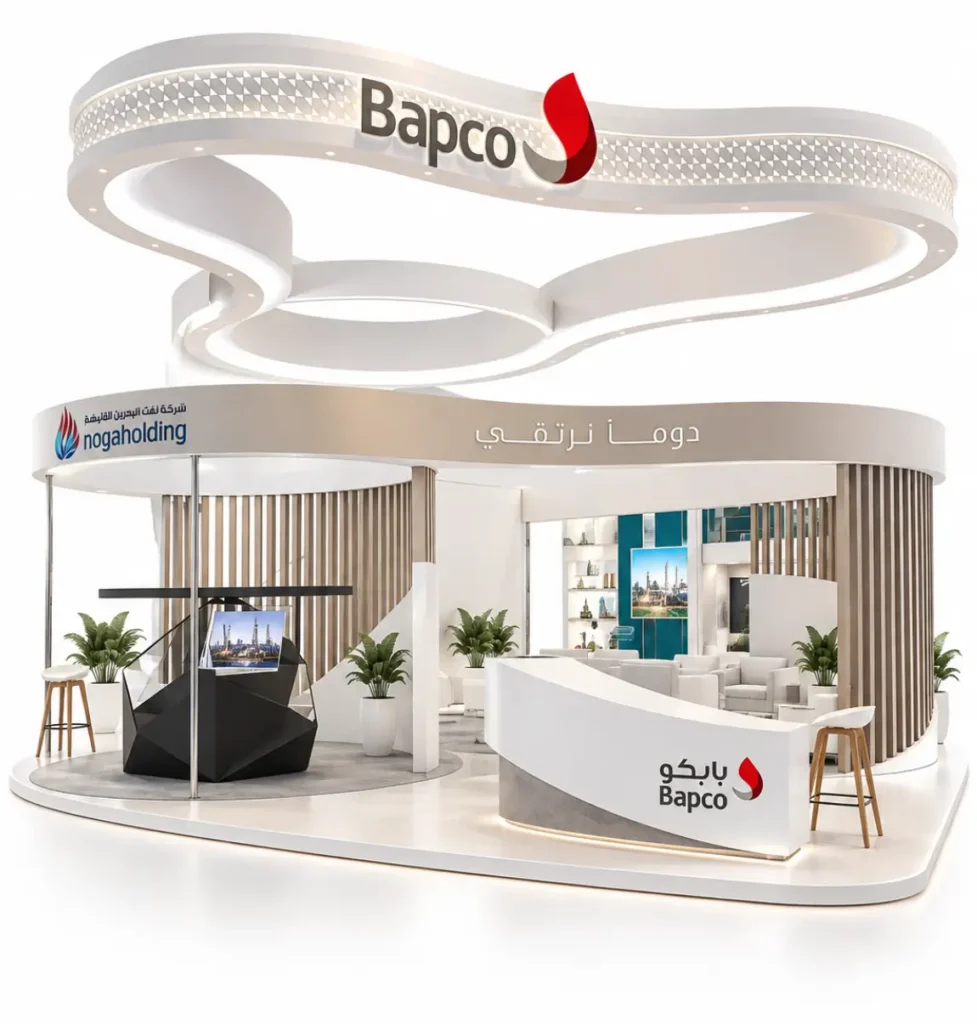
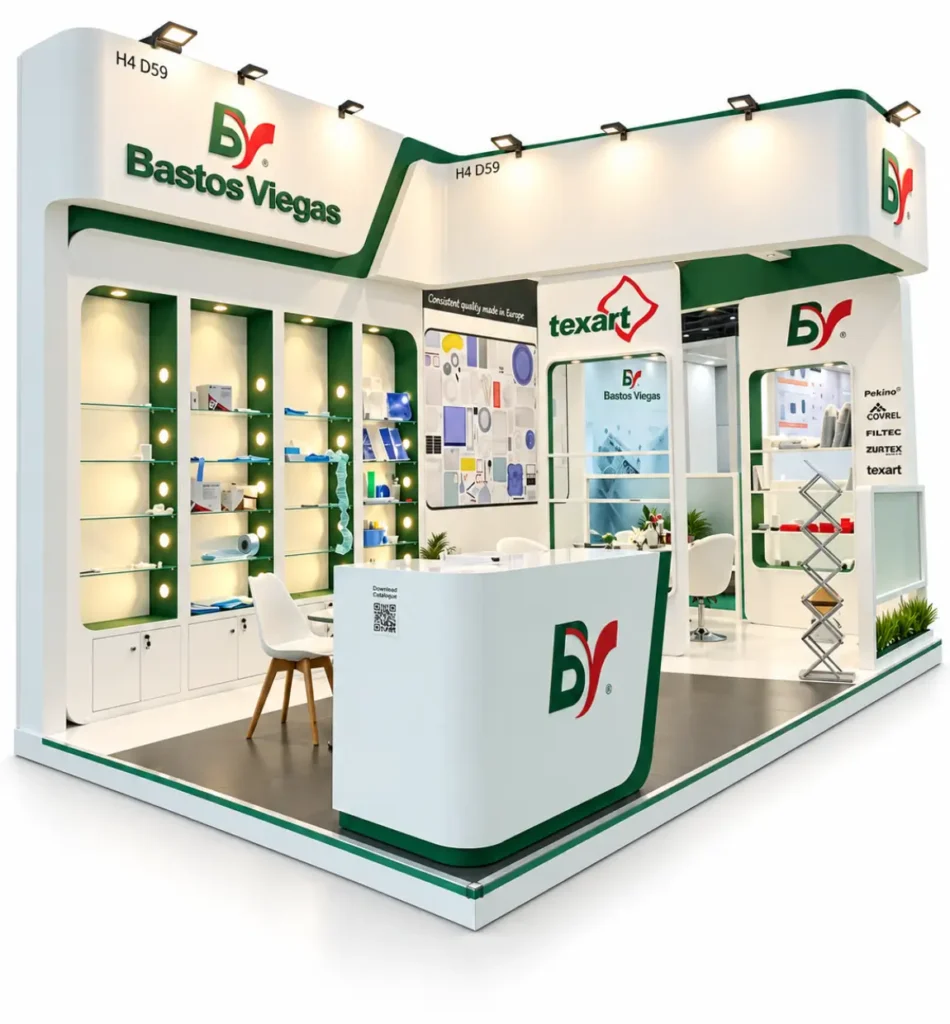
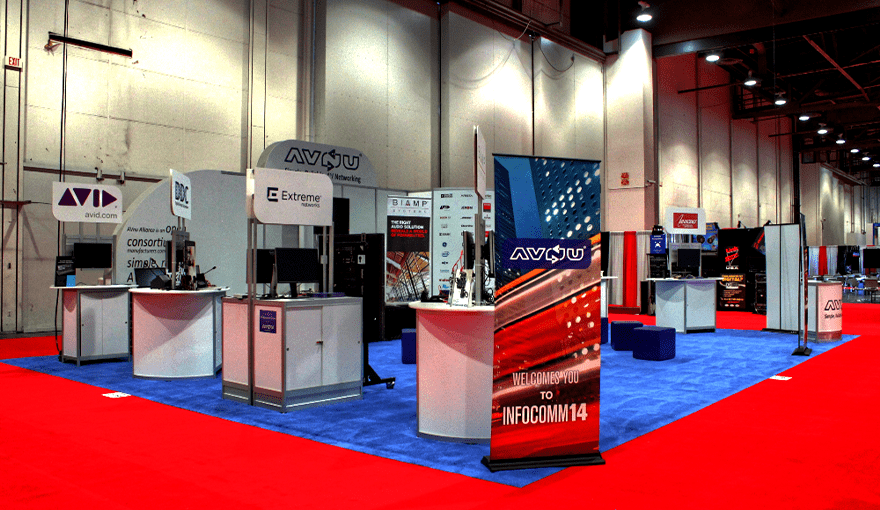
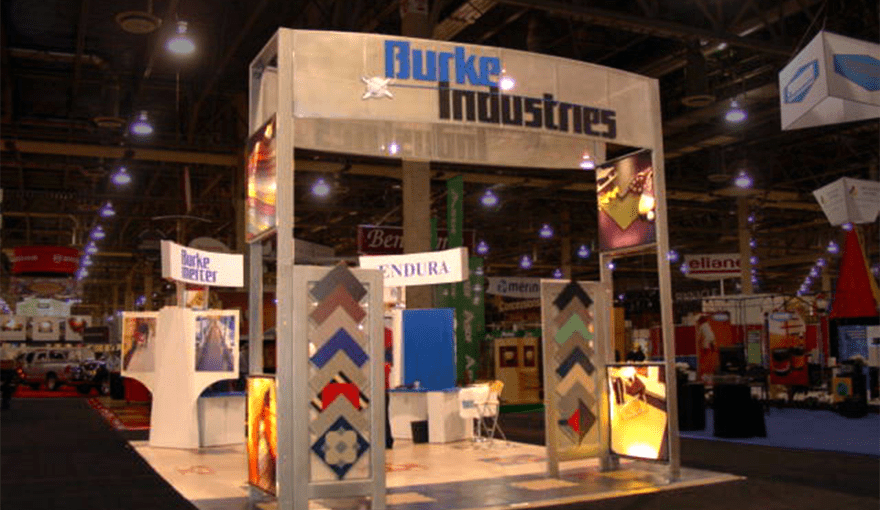
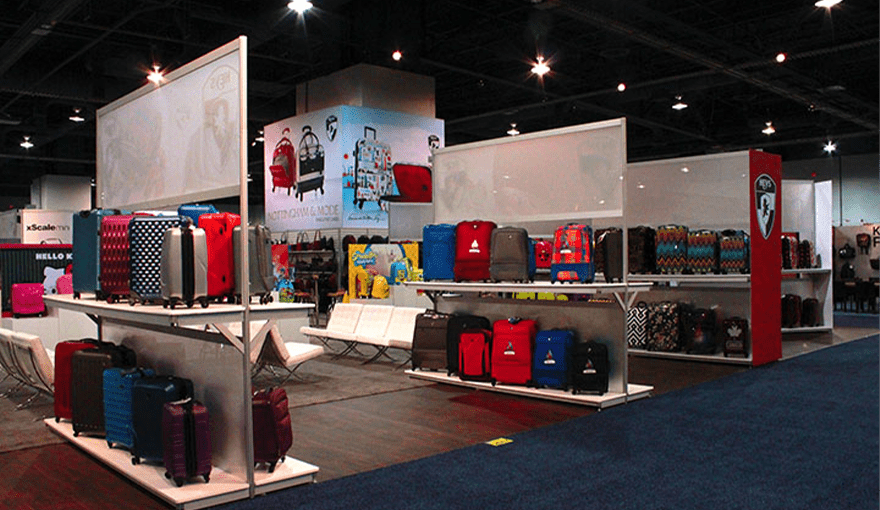
Approving an exhibition concept is easier when your team can see exactly what is being proposed. Standsbay develops realistic trade show 3D renderings from your confirmed brief, dimensions, brand assets and presentation requirements, giving you a clear visual reference before the concept receives final approval. Our work is focused on more than producing an attractive image. The 3D concept allows you to review branding placement, product visibility, lighting, digital elements and the overall visual direction in context. This gives decision-makers something specific to assess, comment on and approve before the project moves into its next stage. Whether you need a focused set of perspectives or a more detailed visual presentation, the objective is the same: create a 3D exhibition concept that reflects the brief your team has actually approved.
14+
Years of Experience
1,400+
Projects
16
Countries
Choosing the Right Rental Booth for Your Exhibition
Every concept starts with the exhibition brief rather than a generic visual template. We review the confirmed dimensions, brand direction, products or services being presented and the visual priorities that need to be communicated during the event.
A product launch, for example, may need one clear focal point, while a company presenting several product ranges may need a more balanced visual hierarchy. If digital content or a particular presentation feature is important, that requirement should be considered from the beginning so it appears naturally within the concept rather than being added later.
We use this information to develop a realistic visual direction that your team can assess against the original brief. Instead of discussing an idea through written descriptions alone, you have something tangible to review internally, share with decision-makers and refine before approval.
The approved concept then becomes a common visual reference for everyone involved in the next agreed stage of the project. That helps reduce misunderstandings about branding, appearance and the visual direction that has actually been signed off.
Information Required to Start Your 3D Rendering
A strong 3D concept starts with clear project information. Share your exhibition details, confirmed dimensions, floor plan, brand files and key presentation requirements so we can develop the right visual direction from the start.
- Exhibition and venue details
- Confirmed dimensions and available floor plan
- Current brand guidelines and logo files
- Products or services being presented
- Key messages or campaign direction
- Product images or presentation references
- Required digital elements
- Preferred visual references
- Internal approval deadline
Previous exhibition photographs, campaign visuals or product imagery can also help explain the direction you prefer. These references give us context and are not treated as templates for the new concept. If some information is still pending, let us know at the beginning. We can identify what is essential before the first visual is developed rather than making assumptions that create unnecessary revisions later.
3D Rendered Views for Client Review and Approval
Rendered views should help you make decisions. Their value is not in producing as many images as possible, but in showing the concept from perspectives that allow your team to understand and approve it properly.
Depending on the agreed scope, this may include a primary approach view, front perspective, important side perspectives, key product areas or another angle required to explain a significant visual feature.
These views allow you to assess questions that are difficult to answer from a written brief. Is the main branding visible enough? Does an important product receive the right emphasis? Are several visual elements competing for attention? Does the concept communicate the right impression from the direction visitors are expected to approach?
More detailed projects may require additional perspectives to explain areas that cannot be understood from a single image. We therefore agree the required rendered views according to the project rather than applying one fixed number to every brief.
This is where exhibition 3D visualization becomes commercially useful. Your team receives a visual basis for feedback and approval rather than having to imagine how separate requirements will work together.
Branding, Lighting and Key Visual Details Shown in 3D
Branding can look very different once it is placed into a three-dimensional environment. A logo that appears prominent on an artwork file may feel too small from the main approach, while too many graphic areas can weaken the hierarchy of the complete concept.
Our renderings allow you to review major logo positions, colour relationships, important branded surfaces and the overall visual balance before approval. When printed elements are required after the relevant dimensions and visual direction are confirmed, their production can be handled separately through our trade show graphics printing service.
Lighting is reviewed in the same context. Illuminated brand features, product areas, darker surfaces and focal points can change the appearance of the whole concept, so the intended effect should be clear enough for the client to understand before sign-off.
Screens and digital presentation elements can also be represented when they are part of the agreed brief. Their position and visual relationship with the surrounding concept can therefore be assessed before the physical equipment is finalised. Where required later, that equipment can be handled separately through our audio visual equipment rental service.
The focus at this stage remains the visual concept. These elements are included because they affect what you are being asked to approve, not because the rendering page is intended to replace those separate services.
3D Concept Revisions Before Final Approval
The first 3D concept gives your team a clear visual direction to review. We use your consolidated feedback to refine agreed details before the concept receives final approval.
Brief Review
We confirm the original brief, visual priorities and requirements before developing the first concept.
Initial 3D Concept
Your first rendered concept is prepared so your team can review the proposed visual direction.
Client Review
You review branding, products, lighting and key visual details and share consolidated feedback with us.
Agreed Revisions
We refine the agreed areas while keeping the concept aligned with the original project brief.
Final Visual Approval
The revised 3D concept is presented for final review and approval before the next agreed stage.
If feedback introduces a substantial new requirement rather than a normal visual refinement, we identify it separately so the scope remains clear before final approval.
Final 3D Rendering Deliverables for Your Exhibition Project
The final output gives your team a clear visual record of the concept that has been reviewed and approved. Because each project is different, we confirm the required deliverables according to the brief rather than using one fixed package for every client.
Depending on the agreed scope, this may include approved rendered perspectives and presentation visuals showing the key areas of the final concept. A 3D rendering is a visual approval tool, not automatically a structural calculation, engineering drawing, fabrication drawing or venue submission document unless those items are separately included in the project scope.
Once the visual direction is approved, any later on-site requirements are handled as a separate stage. Where needed, these can be coordinated through our trade show installation and dismantle service.
Trade Show 3D Rendering Across Our Exhibition Markets
Standsbay provides trade show 3D rendering and concept development for exhibition projects across our international markets. Wherever the event takes place, our team develops clear 3D visuals around the confirmed brief, brand requirements and project details so clients can review and approve the visual direction before moving forward.
Why Exhibitors Choose Standsbay for 3D Rendering & Concept Development
Standsbay develops trade show 3D renderings around confirmed exhibition details, brand assets and presentation requirements. Our process gives your team a realistic visual reference for review, agreed revisions and final approval before the project moves forward.
14+ Years of Experience
Exhibition experience since 2012 across varied industries, venues and international markets.
1,400+ Projects Delivered
More than 1,400 exhibition projects completed across different sectors and event environments.
Concepts Based on Confirmed Briefs
3D concepts developed from confirmed dimensions, brand files and presentation requirements.
Rendered Views for Client Approval
Clear 3D perspectives help your team review, refine and approve the visual direction.
3D Rendering Questions Before You Start
What information do you need to start a 3D concept?
We normally need the exhibition and venue details, confirmed dimensions, available floor plan, brand guidelines, logo files and information about the products or services being presented. Product photographs, campaign artwork, previous event images and other relevant references can help us understand the expected visual direction. If screens or other important visual elements must appear in the rendering, those requirements should also be shared at the start.
What can I review in a trade show 3D rendering?
You can review the overall visual direction together with branding placement, major graphics, colour relationships, lighting, products, screens and the other visual elements included in the agreed brief. The purpose is to give your team enough visual information to identify necessary changes and make a clear approval decision.
Can our actual branding and products appear in the rendering?
Yes, provided suitable files and product references are available. Using your current logos, brand colours, artwork and product information creates a more useful concept than relying on generic placeholders. When final printed elements are required after approval, those can be produced separately through our trade show graphics printing service.
Can we request revisions after receiving the first 3D concept?
Yes. The review stage is intended for agreed revisions before final approval. We recommend consolidating feedback internally before sending it so the requested changes can be reviewed together. If new feedback materially changes the original brief, we will identify that separately from normal visual refinements.
How many rendered views will we receive?
The number of views depends on the complexity of the concept and the perspectives needed for a proper review. Some projects can be understood from a small number of carefully selected views, while more detailed requirements may need additional perspectives. We confirm the required output according to the agreed scope rather than promising the same number for every project.
How long does trade show 3D rendering take?
Timing depends on the complexity of the brief, how complete the supplied information is, the required level of detail and the revision process. Providing confirmed dimensions, current brand assets and clear presentation requirements at the beginning helps avoid unnecessary delays. If your team has a fixed internal approval deadline, include it when the brief is submitted.
Is a 3D rendering the same as a technical drawing?
No. A trade show 3D rendering is primarily used to communicate and approve the visual concept. Technical drawings, engineering information, structural calculations and venue submission documents serve different purposes and should not be assumed to be included unless they are specifically part of the agreed scope.
What happens after the final 3D concept is approved?
The approved rendering becomes the visual reference for the next agreed stages. What happens after approval depends on the wider project scope and responsibilities already confirmed with your team. Where a larger exhibition project requires coordination across several deadlines and activities, that can be handled separately through our trade show project management service without changing the purpose of the 3D rendering stage.
Ready to Review Your Exhibition Concept in 3D?
Send us your exhibition details, confirmed dimensions, available floor plan and current brand material. Standsbay can review the brief, identify any information still required and develop a realistic trade show 3D rendering for client review, revisions and final visual approval.